Dipalmitoyl Hydroxyproline, DPHP-CAS 41672-81-5
Product Name: Dipalmitoyl Hydroxyproline (DPHP)
INCI Name: DIPALMITOYL HYDROXYPROLINE
CAS Number: 41672-81-5
EINECS Number: 255-490-0
Molecular Formula: C₃₇H₆₉NO₅
Molecular Weight: 607.95 g/mol
Product Grade: Cosmetic grade
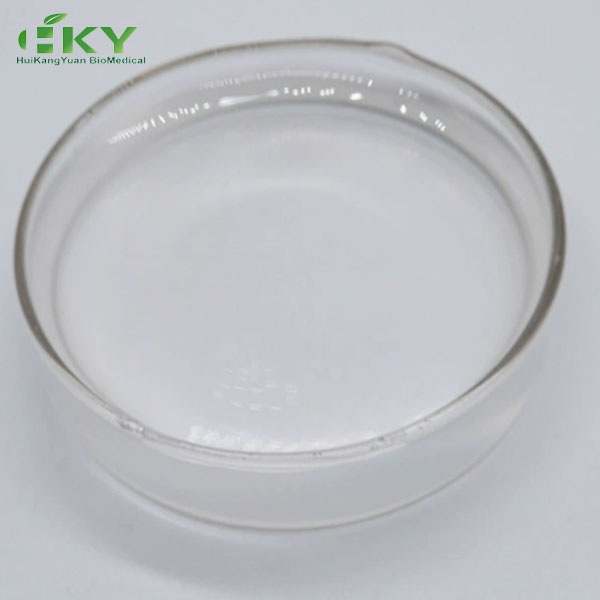
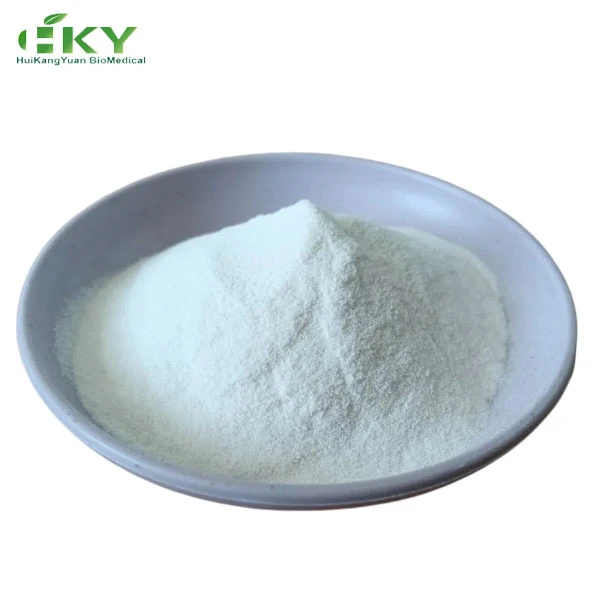
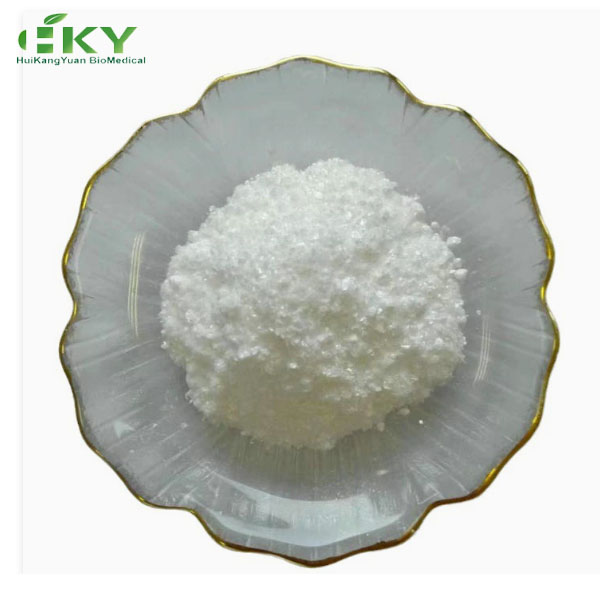
Appearance: White to off-white crystalline powder
Odor: Slight characteristic fatty odor
Product Purity (Active Content): ≥85.0% (standard grade) / ≥98.0% (high purity grade)
Acid Value: 110.0–140.0 mg KOH/g
Melting Point: 56–60°C (or 78–82°C depending on purity grade)
Shelf Life: 24 months in original sealed packaging under proper storage
Storage: Store in cool, dry, well-ventilated area, keep tightly sealed, protect from light and moisture, store at room temperature below 25°C
Dipalmitoyl Hydroxyproline, DPHP, anti-aging ingredient, collagen booster, skin firming ingredient, wrinkle reduction, hydroxyproline derivative, palmitoyl hydroxyproline, skin elasticity, collagen contraction, elastase inhibitor, antioxidant skincare, ma
Dipalmitoyl Hydroxyproline, DPHP-CAS 41672-81-5
Dipalmitoyl Hydroxyproline (DPHP) is a high-performance anti-aging active ingredient with the INCI name Dipalmitoyl Hydroxyproline and CAS number 41672-81-5. It is a palmitoyl derivative of L-hydroxyproline – an amino acid that is a specific and abundant component of collagen, making up approximately 13% of collagen's amino acid composition. The two palmitoyl groups attached to the hydroxyproline molecule significantly enhance lipophilicity and skin penetration, allowing this active to effectively reach the dermis where it exerts its triple mechanism of action. DPHP works through three complementary pathways: first, it stimulates the contraction of collagen fibers to immediately improve skin firmness and tissue tension; second, it protects existing dermal proteins by inhibiting elastase and matrix metalloproteinases (MMPs), enzymes that break down collagen and elastin; third, it scavenges free radicals to provide antioxidant protection against oxidative stress. Clinical studies have demonstrated that DPHP reduces wrinkles by 32% compared to placebo, with superior elastase inhibition and collagen contraction activity compared to vitamin C. Unlike retinol, DPHP offers excellent pH stability and is well-tolerated by sensitive skin.
Key Benefits
• Triple anti-aging action: firms, protects, and antioxidant
• Stimulates collagen fiber contraction for immediate firming
• Inhibits elastase and MMPs to preserve dermal proteins
• Powerful antioxidant: scavenges free radicals
• Clinically proven: 32% wrinkle reduction vs placebo
• Superior to vitamin C in elastase inhibition & collagen contraction
• Enhances epidermal cohesion, strengthens skin barrier
• Excellent stability: better pH stability than retinol
• Great skin compatibility: suitable for sensitive skin
• Lipophilic delivery: enhanced skin penetration
Applications
• Anti-aging serums and essences: Recommended usage 0.5%–2.0%
• Firming face creams and lotions: Recommended usage 0.5%–1.5%
• Eye creams and eye serums: Recommended usage 0.3%–1.0%
• Body firming lotions and creams: Recommended usage 0.3%–1.0%
• Neck creams and décolleté care: Recommended usage 0.5%–1.5%
• Moisturizing serums and creams: Recommended usage 0.2%–1.0%
• Skin barrier repair products: Recommended usage 0.3%–1.0%
• Anti-wrinkle treatments and concentrates: Recommended usage 0.5%–2.0%
• Day protection creams and lotions: Recommended usage 0.3%–1.0%
• Men's anti-aging skincare: Recommended usage 0.5%–1.5%
Certificate Of Analysis (COA)
Test Item | Standard Requirement | Test Result | Test Method |
Appearance | White to off-white crystalline powder | Complies | Visual inspection |
Odor | Slight characteristic odor | Complies | Organoleptic |
Active Content (Assay) | ≥85.0% | 87.5% | HPLC |
Acid Value | 110.0–140.0 mg KOH/g | 125.3 mg KOH/g | Potentiometric titration |
Melting Point | 56–60°C | 58°C | Melting point apparatus |
Free Palmitic Acid (dry basis) | ≤15.0% | 11.2% | GC / HPLC |
Loss on Drying | ≤1.0% | 0.45% | Gravimetric |
Residue on Ignition | ≤0.5% | 0.18% | Gravimetric |
Heavy Metals (as Pb) | ≤10 ppm | <5 ppm | ICP-MS |
Arsenic (As) | ≤2 ppm | <0.5 ppm | ICP-MS |
Lead (Pb) | ≤5 ppm | <1 ppm | ICP-MS |
Cadmium (Cd) | ≤3 ppm | <0.5 ppm | ICP-MS |
Mercury (Hg) | ≤1 ppm | <0.1 ppm | ICP-MS |
Solubility Test | Soluble in vegetable oils and hot ethanol | Complies | Visual inspection |
Related Substances | Total impurities ≤3.0% | 1.8% | HPLC |
Total Aerobic Count | ≤1000 CFU/g | <100 CFU/g | GB 4789.2 |
Mold & Yeast | ≤100 CFU/g | <10 CFU/g | GB 4789.15 |
E. coli | Absent | Absent | GB 4789.3 |
Salmonella | Absent | Absent | GB 4789.4 |
Staphylococcus aureus | Absent | Absent | GB 4789.10 |
Conclusion | Complies with specification | ||
Frequently Asked Questions (FAQ)
Q1: What is the difference between Dipalmitoyl Hydroxyproline (DPHP) and regular hydroxyproline in skincare?
A: The key difference is skin penetration and bioavailability. Regular hydroxyproline is water-soluble and has difficulty crossing the lipid barrier of the stratum corneum, so it mostly stays on the skin surface with limited dermal delivery. Dipalmitoyl Hydroxyproline has two palmitoyl (fatty acid) groups attached to the hydroxyproline molecule, making it highly lipophilic. This lipid modification dramatically improves skin penetration, allowing DPHP to effectively reach the dermis where collagen and elastin are located. Additionally, DPHP has better formulation stability across a wider pH range compared to free hydroxyproline. Think of it like the difference between vitamin C (ascorbic acid) and tetrahexyldecyl ascorbate – the lipophilic version penetrates much better and is more stable. That's why DPHP shows clinically proven anti-aging effects like 32% wrinkle reduction, whereas regular hydroxyproline has very limited demonstrated efficacy when applied topically. DPHP is also sometimes compared to Matrixyl or other peptide ingredients, but it has a unique triple mechanism (collagen contraction + enzyme inhibition + antioxidant) rather than just stimulating new collagen synthesis.
Q2: What concentration of DPHP should I use in my formulations and what results can I expect?
A: The recommended concentration of Dipalmitoyl Hydroxyproline depends on your product type and desired efficacy. For basic moisturizing and mild anti-aging products, 0.2%–0.5% is sufficient. For standard anti-aging and firming products, 0.5%–1.0% is the typical range, with 1.0% being the level recommended by SEPPIC (the original developer of Sepilift™ DPHP). For high-efficacy concentrated serums and intensive anti-aging treatments, you can use up to 2.0%–3.0%, though the EU SCCS safety assessment covers up to 3.0% in leave-on products. In terms of results, clinical studies with 0.5%–1.0% DPHP have shown: 32% reduction in wrinkle appearance vs placebo after 28 days; 37% increase in epidermal cohesion after 8 weeks; significant improvement in skin firmness and elasticity; reduced transepidermal water loss indicating better barrier function; and visible improvement in skin texture and smoothness. Results are typically noticeable after 4–6 weeks of regular use, with progressive improvement over time. DPHP works well in both day and night products and can be combined with other anti-aging actives for enhanced results.
Q3: How does DPHP compare to other popular anti-aging ingredients like retinol, vitamin C, and peptides?
A: DPHP has several unique advantages compared to other anti-aging ingredients. Versus retinol: DPHP is much more stable across pH ranges, doesn't cause irritation or peeling, is suitable for sensitive skin, and doesn't require sun avoidance or gradual introduction. However, retinol may produce more dramatic results for severe photoaging. Versus vitamin C (ascorbic acid): DPHP is far more stable in formulations (no oxidation, no discoloration), works at neutral pH, and is better tolerated. Clinical tests show DPHP has superior elastase inhibition and collagen contraction activity compared to vitamin C. However, vitamin C has stronger brightening effects and is a more powerful direct antioxidant. Versus peptides (like Matrixyl, Argireline): DPHP has a different mechanism – it works on existing collagen fibers (contraction and protection) plus antioxidant effects, while most peptides primarily stimulate new collagen synthesis or relax muscles. They are actually highly complementary and work very well together. Many premium formulations combine DPHP with peptides for a comprehensive anti-aging approach. DPHP also has the advantage of being oil-soluble, which makes it easier to formulate in certain product types and gives it better skin penetration than water-soluble peptides.
Q4: What are the formulation considerations and compatibility for DPHP?
A: Dipalmitoyl Hydroxyproline is relatively easy to formulate with, but there are some important considerations. First, solubility: DPHP is oil-soluble, so it should be added to the oil phase of your emulsion, typically during the heating phase (around 70–80°C) to ensure complete dissolution. For water-based serums or gel products, you'll need to use a solubilizer or emulsifier – it can be solubilized with polysorbates, PEG-40 hydrogenated castor oil, or other common solubilizers, though this may affect clarity. Second, pH: DPHP is stable across a wide pH range (approximately pH 4–9), which is one of its advantages over ingredients like vitamin C or retinol. It works well in both acidic and neutral formulations. Third, compatibility: DPHP is compatible with most cosmetic ingredients including hyaluronic acid, niacinamide, peptides, vitamin C derivatives, retinol and retinyl esters, ceramides, centella asiatica extract, and most plant extracts. It can be used with both chemical and physical sunscreens. There are no known incompatibilities, though as with any ingredient, full compatibility testing in your specific formulation is recommended. Fourth, stability: DPHP has excellent thermal stability and can withstand typical cosmetic manufacturing temperatures. It is also resistant to oxidation, so it doesn't require special antioxidant protection in the formula. Finally, packaging: While stable, for maximum shelf life it's best to store finished products in opaque or amber packaging away from direct sunlight, as with most active ingredients.
Contact Us
💌 Contact us today for technical data, formulation guidance, and competitive pricing! E-mail:
You Might Also Like
1.ur Products A full range of high-quality cosmetic raw materials, including plant extracts, natural active ingredients, skin care actives and formulation additives. Stable supply & strict quality control.